
Lower energy bills
Reduces the need for heating in winter and cooling in summer by slowing heat transfer through walls. This directly cuts power use and costs for Vermont households.
Vermont Wall Insulation
Expert Insulation Melbourne installs bulk insulation in wall cavities for homes in Vermont. Suitable for new builds, extensions and renovations where stud frames are exposed.
Share your details and Expert Insulation Melbourne will contact you about Wall Insulation in Vermont.
Wall insulation in Vermont reduces winter heat loss and summer heat gain through external walls. It is installed as batts fitted between studs in open wall frames during construction, extensions or major renovations. This is the most effective way to improve thermal resistance in brick veneer, weatherboard and double brick homes common in Vermont.
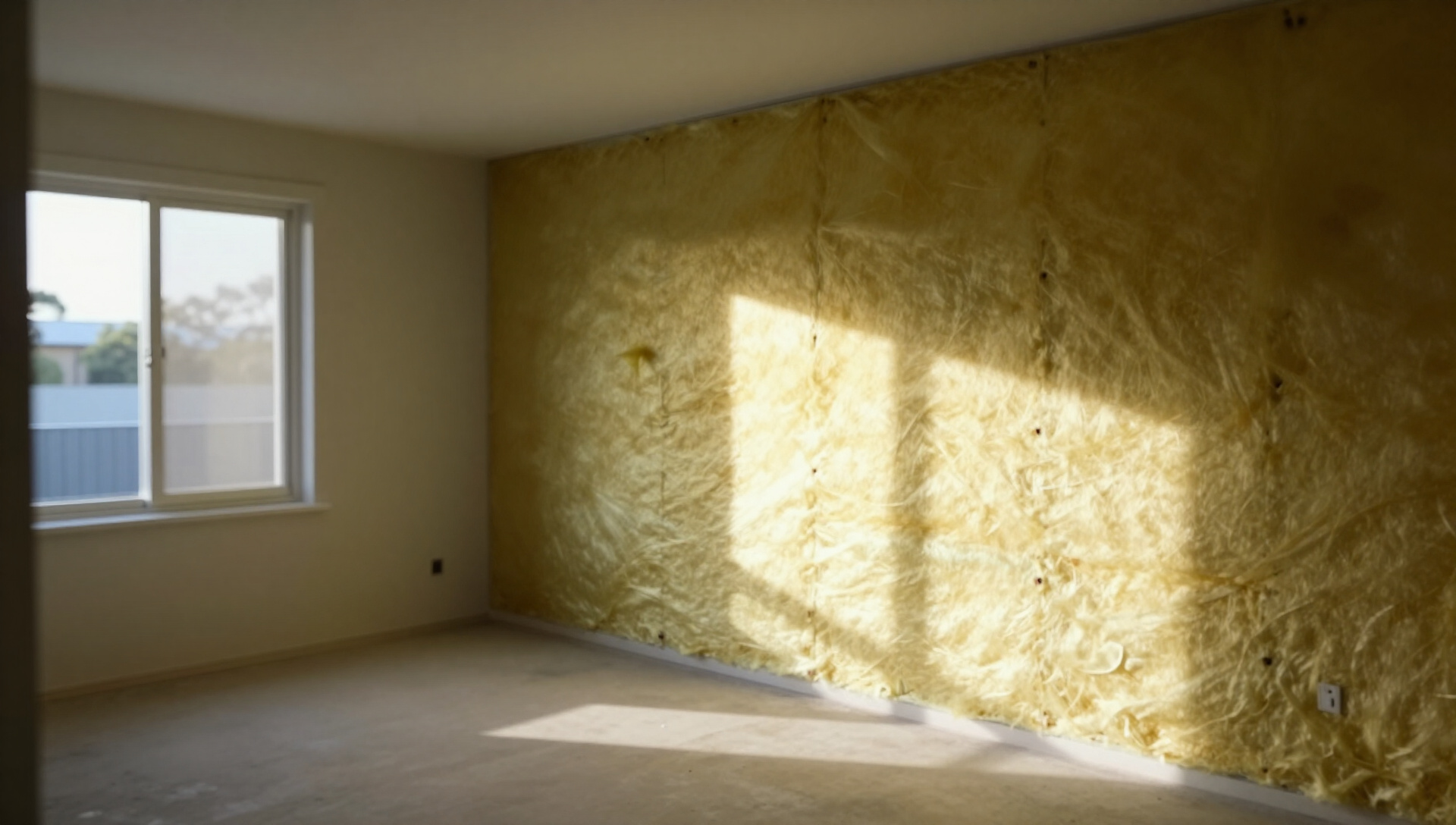
Vermont’s mix of older brick veneer and newer homes benefits from wall insulation to stabilise indoor temperatures. Without it, heat escapes through walls in winter and enters in summer, forcing heating and cooling systems to work harder.
Reduces the need for heating in winter and cooling in summer by slowing heat transfer through walls. This directly cuts power use and costs for Vermont households.
Insulated walls maintain warmth in living areas and bedrooms, eliminating cold spots near external walls common in uninsulated brick veneer homes.
Acoustic batts in internal walls dampen sound between rooms, useful for homes near busy roads or in denser Vermont neighbourhoods.
Properly installed bulk insulation helps manage condensation risk in wall cavities, protecting the structure and indoor air quality.
Bulk batts retain their R-value over time when kept dry and undisturbed, providing lasting thermal resistance for the life of the home.
Glasswool and rockwool batts are non-combustible, adding a layer of fire resistance to wall cavities.
Wall insulation is fitted during the construction phase or when walls are opened up for renovations. The process is straightforward when stud frames are accessible.
The installer checks the wall frame for obstructions, wiring and plumbing that may need to be worked around. Old insulation is removed if present and the cavity is cleaned.
Batts are measured to fit snugly between studs without gaps or compression. They are cut to size on site to match the exact stud spacing and height.
Batts are placed between the studs and held in place by friction. No staples or adhesives are required. Acoustic batts are installed in internal walls where sound reduction is needed.
Once all batts are in place, the wall lining is installed over the frame. Gaps around electrical boxes and pipes are sealed to prevent air leakage.
Vermont’s established homes often have brick veneer or weatherboard construction with uninsulated wall cavities. Wall insulation is most practical during renovations, extensions or new builds when stud frames are exposed. For existing homes with closed walls, cavity wall insulation may be an option depending on the wall type and condition, which is determined during an on-site inspection.
Install bulk batts in wall frames during renovations to improve thermal performance.
Homeowners in Vermont often ask about the suitability, process and benefits of wall insulation. Here are the most common questions.
Wall insulation in Vermont reduces heat transfer through external walls, which is a major source of energy loss in uninsulated homes. Bulk batts made from glasswool, polyester or rockwool are fitted between studs in open wall frames during construction or renovations. This improves the R-value of the walls, typically between R2.0 and R2.7, to slow heat flow and stabilise indoor temperatures.
Vermont homes with brick veneer, weatherboard or double brick walls benefit from wall insulation to cut heating and cooling costs. The installation is most cost-effective when walls are open, such as during extensions or major renovations. For existing homes with closed walls, cavity wall insulation may be possible if the wall type and moisture levels are suitable, which is assessed on site.
Acoustic batts can also be installed in internal walls to reduce noise transfer between rooms. This is useful for homes in Vermont near busy roads or in areas with higher density housing. Proper installation ensures batts are fitted snugly without gaps or compression, and all gaps around services are sealed to prevent air leakage.
Expert Insulation Melbourne installs wall insulation in Vermont during renovations and new builds. Call to discuss your project and arrange an inspection.