
Lower heating and cooling bills
By resisting heat flow, bulk insulation reduces the workload on heaters and air conditioners. Homes in Vermont see noticeable drops in energy use, especially in ceilings where winter heat loss is highest.
Vermont
Bulk insulation traps still air in your ceiling, walls and floors to slow heat flow. In Vermont’s brick veneer and weatherboard homes, it cuts winter heat loss through the roof space and summer heat gain through walls, lowering heating and cooling costs year round.
Share your details and Expert Insulation Melbourne will contact you about Bulk Insulation in Vermont.
Bulk insulation uses materials like glasswool, polyester or rockwool batts to resist the flow of heat. In Vermont, it is installed between ceiling joists, inside wall cavities during renovations or under suspended timber floors to reduce energy use and improve comfort.
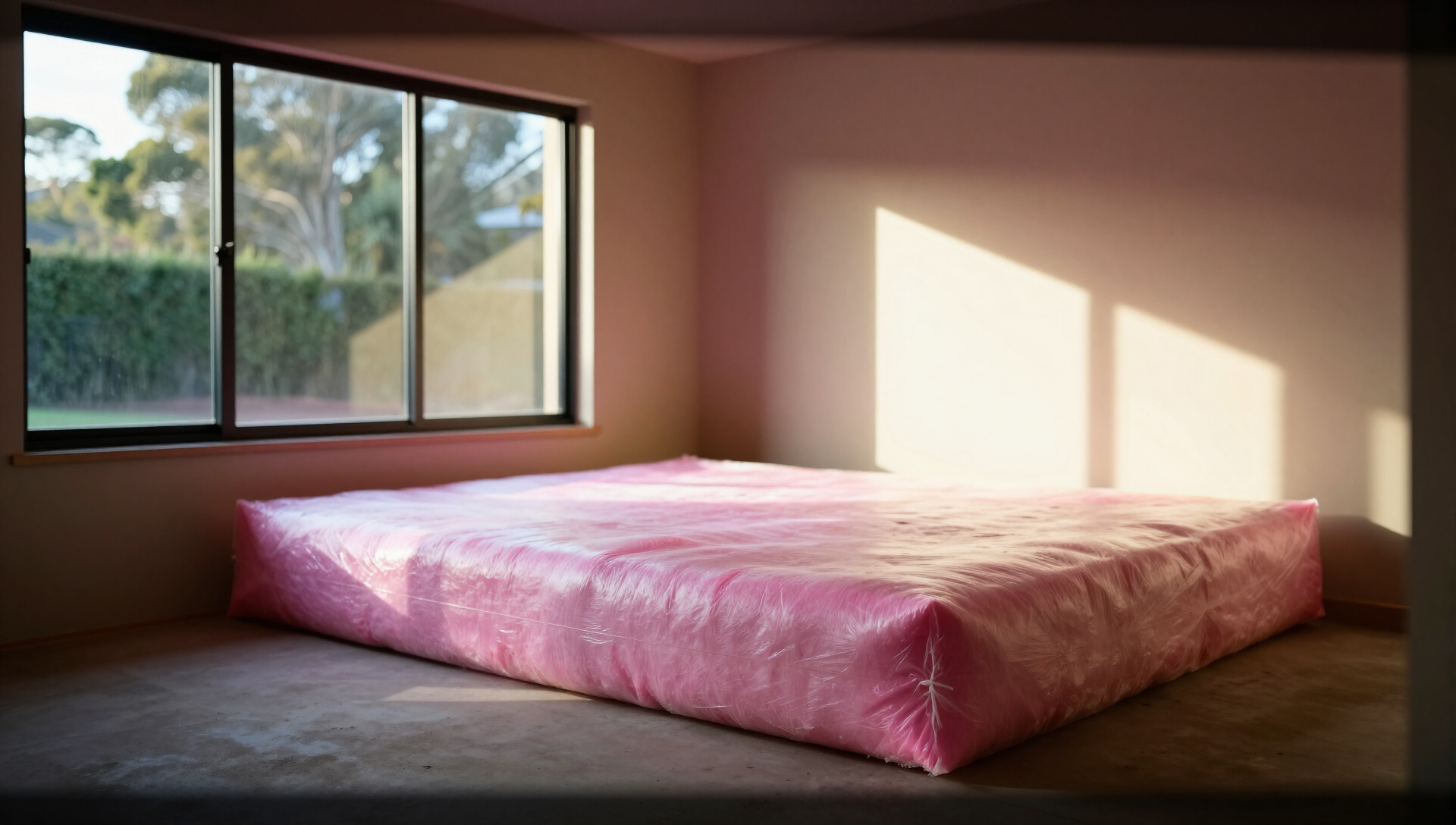
Vermont’s mix of older weatherboards and brick veneer homes often lacks sufficient insulation, leading to cold winters and hot summers. Bulk insulation addresses this by reducing heat flow through the building envelope.
By resisting heat flow, bulk insulation reduces the workload on heaters and air conditioners. Homes in Vermont see noticeable drops in energy use, especially in ceilings where winter heat loss is highest.
Batts in ceilings and walls buffer against Melbourne’s temperature swings. Rooms stay warmer in winter and cooler in summer without the system cycling on and off.
When installed properly, bulk insulation fills gaps between joists and studs, cutting draughts through ceiling roses, cornices and skirting boards that make homes feel colder.
Denser batts absorb airborne noise between rooms and from outside. This is useful in Vermont’s quieter streets where internal noise transfer can still be an issue.
Glasswool and polyester batts do not settle or degrade over time if installed correctly. They retain their R-value for decades, provided the roof space stays dry and free of pests.
Bulk insulation works in post-war brick veneer, older weatherboards and modern builds. Ceiling batts can be added to existing homes, while wall batts are fitted during renovations or new construction.
Installing bulk insulation in Vermont starts with an inspection of the roof space, wall cavities or subfloor to check access, existing materials and any issues like moisture or old compressed batts.
We assess the area to be insulated, noting the dimensions, joist and stud spacing, and any obstructions like downlights, cables or flues. This determines the R-value and product type suited to your home.
For ceilings, we clear dust and debris from the roof space. If old batts are thin, compressed or damaged, we remove them first. Underfloor areas are checked for adequate crawl space and moisture issues.
Batts are cut to fit snugly between joists or studs without gaps or compression, which would reduce performance. We maintain clearances around downlights and flues as required by Australian standards.
We ensure all batts are properly seated and there are no gaps. The roof space or subfloor is left clean, and access points are sealed. You receive a summary of the work and the R-values installed.
Vermont’s housing stock includes many brick veneer homes built in the 1960s to 1990s and older weatherboard houses, both of which often have little to no insulation. The suburb’s elevation and exposure to cold southerlies in winter and hot northerlies in summer make bulk insulation a cost-effective upgrade. Nearby areas like Ringwood and Mitcham share similar climate and housing characteristics, so the same principles apply.
Expert Insulation Melbourne installs bulk insulation in Vermont ceilings, walls and floors to improve thermal performance and reduce energy costs.
Homeowners in Vermont often ask about the practicalities of installing bulk insulation, from cost factors to R-value choices and whether it can be added to existing homes.
Bulk insulation in Vermont slows the transfer of heat through ceilings, walls and floors by trapping still air within fibrous materials like glasswool, polyester or rockwool. In Vermont’s climate, this reduces winter heat loss through uninsulated roof spaces and summer heat gain through external walls, leading to lower energy bills and a more comfortable home.
Ceiling insulation is the highest priority for most Vermont homes, as the roof space is the main path for heat escape in winter. Batts with an R-value of R4.0 to R6.0 are commonly used, depending on the available depth between joists. Wall insulation with R2.0 to R2.7 batts is added during renovations or in new builds, while underfloor batts of R1.5 to R2.5 address cold floors and draughts in suspended timber floors.
The cost of bulk insulation in Vermont depends on the area to be covered, the chosen R-value, and access to the roof space or subfloor. Steep roof pitches, limited access or the need to remove old insulation can increase the time on site. A typical ceiling installation in a standard Vermont home can often be completed in a day, with minimal disruption to the household.
Expert Insulation Melbourne provides bulk insulation for ceilings, walls and floors in Vermont. Call 0399695249 or email info@expertinsulationmelbourne. com. au to discuss your home’s needs.