
Lower cooling bills
By reflecting radiant heat, sisalation reduces the load on air conditioners and fans, cutting energy use during Melbourne’s heatwaves. Homes stay cooler without constant cooling.
Reflective Foil Barrier
Sisalation is a reflective foil laminate installed under roofing or behind wall cladding to block radiant heat and reduce summer cooling costs in Vermont homes.
Share your details and Expert Insulation Melbourne will contact you about Sisalation Insulation in Vermont.
Sisalation is a foil-faced laminate that reflects up to 97 percent of radiant heat before it enters your roof space. In Vermont, where hot northerly winds drive summer heat through metal and tile roofs, this barrier keeps attics and living areas noticeably cooler. It also helps manage moisture and dust in the roof cavity, protecting bulk insulation and improving overall thermal performance.
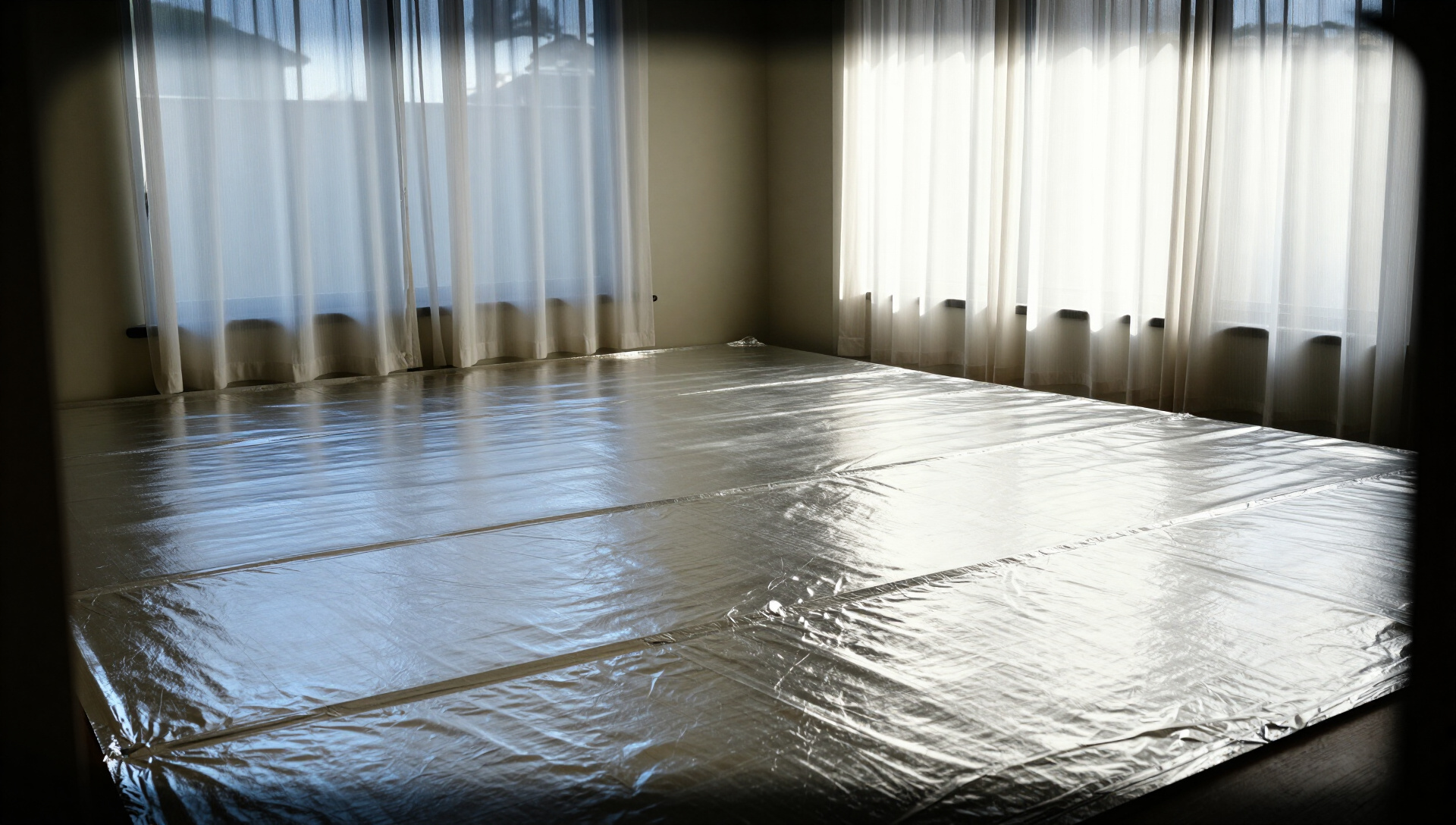
Vermont’s mix of older weatherboard homes and brick veneer properties often suffer from excessive summer heat gain through the roof. Sisalation addresses this by creating a reflective barrier that bounces radiant heat away before it penetrates the ceiling.
By reflecting radiant heat, sisalation reduces the load on air conditioners and fans, cutting energy use during Melbourne’s heatwaves. Homes stay cooler without constant cooling.
The foil layer blocks dust and moisture that can compress or degrade glasswool or polyester batts in the roof space, preserving their R-value and effectiveness.
Sisalation can be installed under tiles or metal sheeting without removing the roof. The process typically takes a day, with minimal disruption to the home.
For Vermont homes with exposed rafters or cathedral ceilings, sisalation provides a thermal barrier where traditional ceiling batts cannot be used.
The reflective barrier evens out indoor temperatures, reducing the sharp day-to-night fluctuations common in Melbourne’s climate.
Foil laminates do not sag, compress or degrade over time, maintaining their reflective properties for the life of the roof.
Installing sisalation requires careful placement to ensure an effective air gap and full coverage. Our team follows a precise process to maximise thermal performance.
We check the roof cavity for access, existing insulation, cables, downlights and any signs of moisture or asbestos. If asbestos is suspected, work stops until a qualified assessor inspects it.
Sisalation sheets are measured to fit between rafters or under roofing, with overlaps sealed to prevent heat leakage. We leave clearances around flues and electrical fittings.
The foil is fixed to the underside of the roofing or rafters, maintaining a continuous air gap. This gap is critical for the reflective properties to work effectively.
All seams and edges are taped to create a complete barrier. We ensure no gaps remain that could allow radiant heat to bypass the sisalation.
Vermont’s established homes, many with brick veneer or weatherboard construction, benefit from sisalation to combat summer heat gain through the roof. The suburb’s proximity to the Dandenong Ranges means homes can also experience cooler, damper conditions, making moisture control in the roof space just as important as thermal performance. Sisalation addresses both, reflecting heat in summer and reducing condensation risk in winter.
Expert Insulation Melbourne installs sisalation in Vermont to reflect radiant heat and improve thermal comfort in older and modern homes.
Common questions about sisalation installation, performance and suitability for Vermont properties.
Sisalation insulation in Vermont provides a reflective barrier under roofing to block radiant heat and reduce summer cooling costs. For homes with metal or tile roofs, this foil laminate reflects up to 97 percent of radiant heat, preventing it from entering the roof space and warming the ceiling below. This is particularly effective in Vermont, where hot northerly winds can drive temperatures in uninsulated roof cavities well above outdoor levels.
Unlike bulk insulation, which traps still air to slow conductive heat flow, sisalation works by reflecting radiant heat away. It is often paired with glasswool or polyester batts in the ceiling to provide both reflective and bulk thermal resistance. In Vermont homes with cathedral or raked ceilings, sisalation can be the primary thermal barrier, as there is no ceiling cavity for traditional batts.
Installation involves fixing the foil laminate under the roofing or to the rafters, ensuring a continuous air gap for maximum effectiveness. The process is quick, typically completed in a day, and requires no removal of existing roofing. For Vermont properties with older roofs or signs of moisture, sisalation also helps manage condensation and dust, protecting the integrity of any bulk insulation in the roof space.
Reduce summer heat gain and cooling costs with sisalation installed by Expert Insulation Melbourne. We service Vermont and surrounding suburbs with reflective foil barriers tailored to your roof.