
Lower heating and cooling costs
Ceiling insulation reduces heat loss in winter and heat gain in summer, so your heating and cooling systems run less often. This can lead to noticeable savings on energy bills in Vermont homes.
Vermont Ceiling Insulation
Ceiling insulation fitted between joists in your roof space stops winter heat loss through the ceiling, the biggest source of energy waste in Vermont homes. Expert Insulation Melbourne installs glasswool, polyester and rockwool batts to the R-value you need.
Share your details and Expert Insulation Melbourne will contact you about Ceiling Insulation in Vermont.
Ceiling insulation is bulk insulation installed between the ceiling joists in your roof space. In Vermont’s cold winters, heat rises and escapes through uninsulated ceilings, forcing heating systems to work harder. Fitting batts with the right thermal resistance cuts this loss and lowers energy costs.
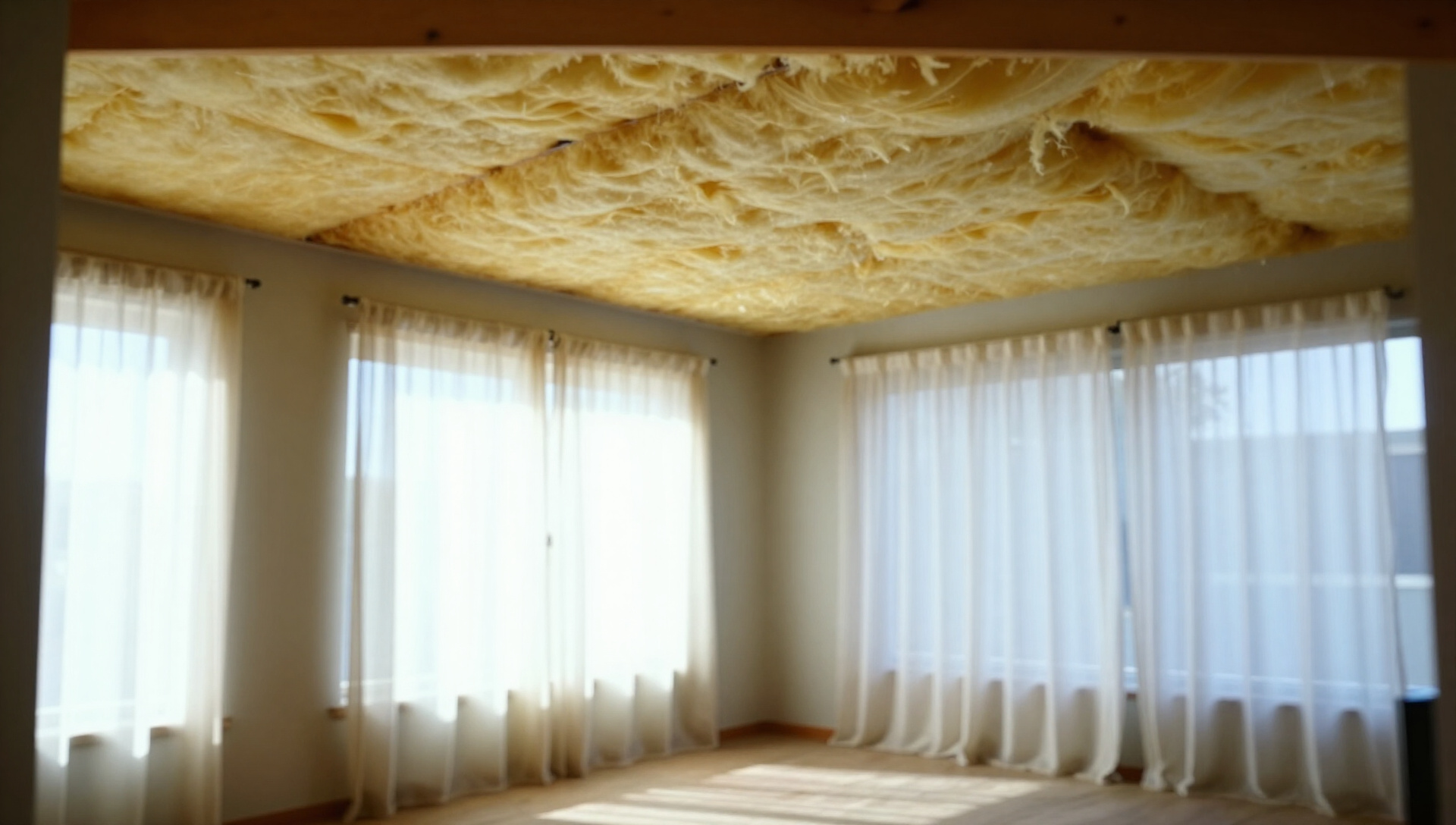
Vermont’s older brick and weatherboard homes often have little or no ceiling insulation, leading to cold rooms and high heating bills. Properly installed batts address these issues directly.
Ceiling insulation reduces heat loss in winter and heat gain in summer, so your heating and cooling systems run less often. This can lead to noticeable savings on energy bills in Vermont homes.
Batts trap still air, slowing the transfer of heat through the ceiling. Rooms stay warmer in winter and cooler in summer without hot and cold spots.
Insulation helps regulate temperature and moisture levels in the roof space, lowering the chance of condensation forming on cold surfaces.
Bulk insulation absorbs airborne noise, reducing sound transfer between floors and from outside, which is useful in Vermont’s quieter suburban streets.
Quality batts retain their thickness and R-value over time if installed correctly, without sagging or compressing under their own weight.
Glasswool and rockwool batts are non-combustible, providing an additional layer of fire resistance in your roof space.
Every Vermont ceiling insulation job starts with an inspection of your roof space to check access, existing insulation and any obstacles like cables or downlights.
We access your roof space via the manhole and check the condition of existing batts, the spacing of joists, and the location of downlights, flues and electrical cables. This determines the best product and R-value for your home.
If old batts are compressed, wet or damaged, we remove them before installing new insulation. If asbestos is suspected, work stops until a qualified assessor inspects the material.
We lay the chosen batts snugly between ceiling joists, ensuring full coverage without gaps or compression. Clearances are maintained around downlights and flues as required by building codes.
Loose material and dust are removed from the roof space, and we ensure the manhole is properly sealed. A final inspection confirms the insulation is correctly placed and performing as intended.
Vermont’s mix of older brick homes and newer builds often have under-insulated ceilings, leading to high heating costs in winter. Ceiling insulation is a straightforward upgrade that improves comfort and energy efficiency in this suburb.
Expert Insulation Melbourne installs ceiling batts in Vermont to stop winter heat loss and reduce energy bills.
Common questions about ceiling insulation in Vermont homes, from R-values to installation time and cost factors.
Ceiling insulation in Vermont reduces winter heat loss through the roof space, the main path for energy waste in local homes. Batts fitted between ceiling joists provide thermal resistance, keeping warmth inside during cold months and heat out during summer. This lowers reliance on heating and cooling systems, cutting energy costs for Vermont households.
Vermont homes, particularly older brick and weatherboard properties, often lack adequate ceiling insulation. Glasswool, polyester and rockwool batts are the most common materials, with R-values typically ranging from R4.0 to R6.0 for ceilings. The right R-value depends on your climate needs, budget and roof space conditions.
Installation involves accessing the roof space, removing old or damaged batts if necessary, and laying new insulation snugly between joists. Clearances must be maintained around downlights and flues, and any signs of asbestos halt work until assessed. The process usually takes a few hours, depending on roof size and access.
Stop winter heat loss and lower your energy bills with ceiling insulation installed by Expert Insulation Melbourne in Vermont.