
Lower heating and cooling costs
Insulating the wall cavity reduces the amount of heat escaping in winter and entering in summer. This means your heater and air conditioner work less to maintain a comfortable temperature, lowering energy bills.
Vermont Wall Insulation
Cavity wall insulation for Vermont homes fills the gap in brick veneer and double brick walls to stop draughts and heat loss. We inspect your wall type and moisture levels first, then install through small holes that are patched afterwards.
Share your details and Expert Insulation Melbourne will contact you about Cavity Wall Insulation in Vermont.
Cavity wall insulation in Vermont is for homes with a hollow space between the inner and outer leaf of brick veneer or double brick walls. The process injects insulating material into this cavity to reduce air leakage and improve thermal resistance. It is a non-invasive method that does not require removing internal linings or external cladding.
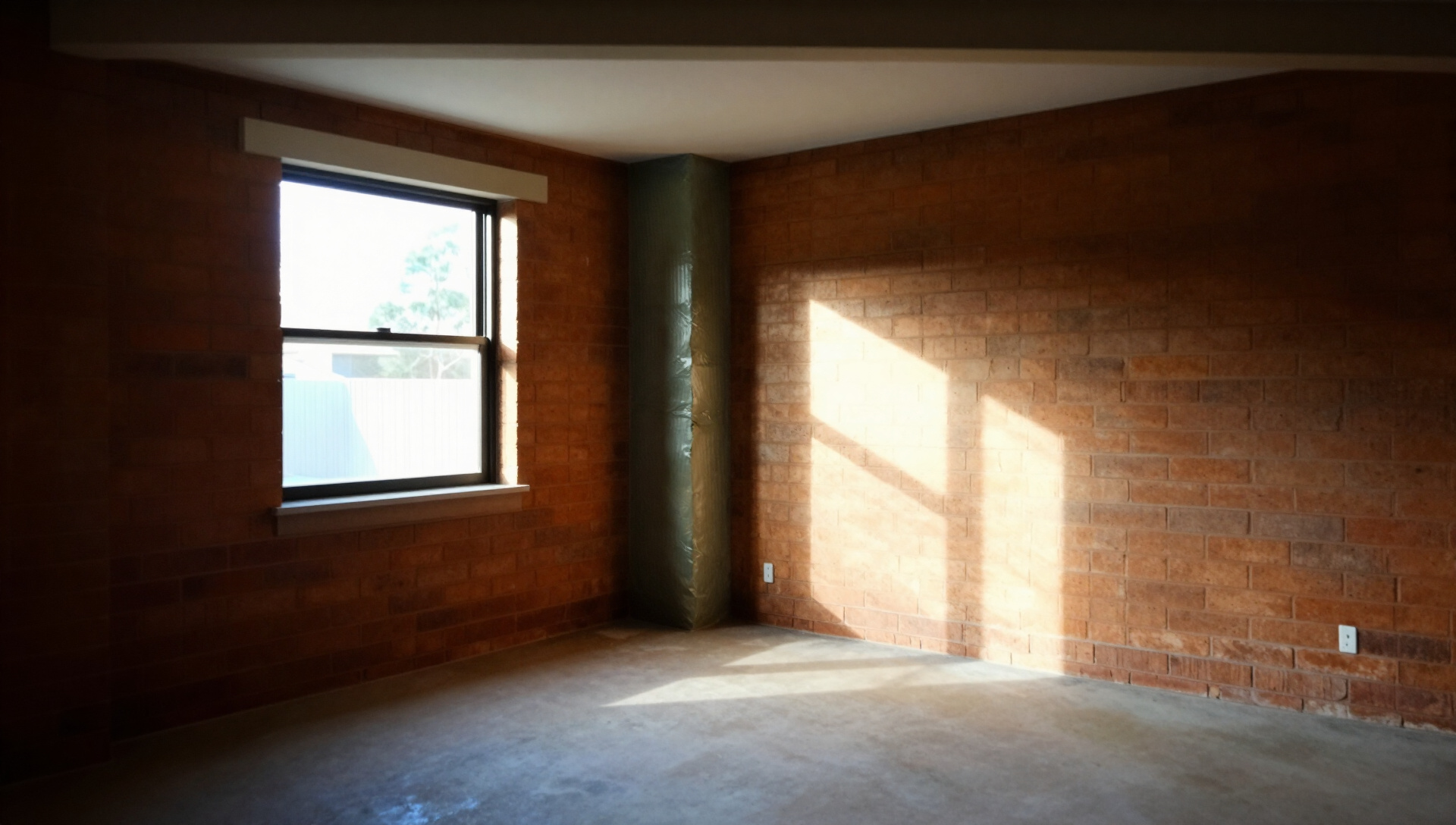
Vermont’s mix of older brick homes and newer brick veneer properties often have uninsulated wall cavities. Filling this space cuts heat loss in winter and heat gain in summer, making your heating and cooling systems more effective.
Insulating the wall cavity reduces the amount of heat escaping in winter and entering in summer. This means your heater and air conditioner work less to maintain a comfortable temperature, lowering energy bills.
Gaps in brickwork and around windows allow cold air to enter and warm air to escape. Cavity insulation blocks these draughts, making your home feel warmer in winter and cooler in summer.
Brick walls without insulation have little resistance to heat flow. Adding cavity insulation increases the R-value of your walls, stabilising indoor temperatures and reducing cold spots near external walls.
The installation is done from the outside through small holes, so there is no need to remove plaster, cornices or internal fittings. The holes are sealed and colour-matched to your brickwork afterwards.
Unlike bulk insulation which requires open stud frames, cavity insulation can be added to existing brick and brick veneer walls without major renovations.
Properly installed cavity insulation reduces the risk of condensation forming inside the wall by maintaining a more consistent temperature across the wall layers.
We start with a thorough inspection to confirm your wall type is suitable and check for moisture issues. The installation is quick and leaves your home looking the same as before we arrived.
We inspect your brickwork to confirm it is brick veneer or double brick with a suitable cavity. We also check for signs of damp or moisture that would make cavity insulation unsuitable.
Small holes are drilled into the mortar joints at regular intervals around the external walls. These provide access to inject the insulation material into the cavity.
Using specialist equipment, we inject the chosen insulation material into the cavity through the access holes. The material fills the gap evenly without compressing or settling over time.
Once the cavity is filled, the access holes are sealed with matching mortar and colour-matched to your existing brickwork. The site is left clean with no visible signs of the work.
Vermont has a high proportion of brick veneer and double brick homes built from the 1960s onwards. These properties often have uninsulated wall cavities, leading to cold internal walls in winter and heat radiating through in summer. Cavity wall insulation is a practical upgrade that improves comfort without the cost and disruption of removing internal linings.
Fill the gap in brick veneer and double brick walls to stop draughts and heat loss in Vermont homes.
Homeowners in Vermont often ask about suitability, cost factors and whether cavity insulation is worth it for older brick homes.
Cavity wall insulation in Vermont is a targeted solution for brick veneer and double brick homes that lack insulation in the wall cavity. This hollow space between the inner and outer leaf of brickwork allows air to move freely, leading to heat loss in winter and heat gain in summer. Filling this cavity with insulating material reduces air leakage and improves the thermal performance of your walls.
Many Vermont homes built from the 1960s to the 1990s have brick veneer construction with an uninsulated cavity. Without insulation, these walls provide little resistance to heat flow, making rooms near external walls colder in winter and hotter in summer. Cavity insulation addresses this by adding a layer of thermal resistance without the need for internal wall linings to be removed.
The process begins with an inspection to confirm the wall type and check for moisture. Small holes are drilled into the mortar joints, and insulation is injected into the cavity. The holes are then sealed and colour-matched to the existing brickwork. This method is quick, non-invasive and leaves no visible trace once complete.
If your Vermont home has brick veneer or double brick walls, cavity insulation can cut heat loss and draughts. Call Expert Insulation Melbourne on 0399695249 or email info@expertinsulationmelbourne. com. au to arrange an inspection.