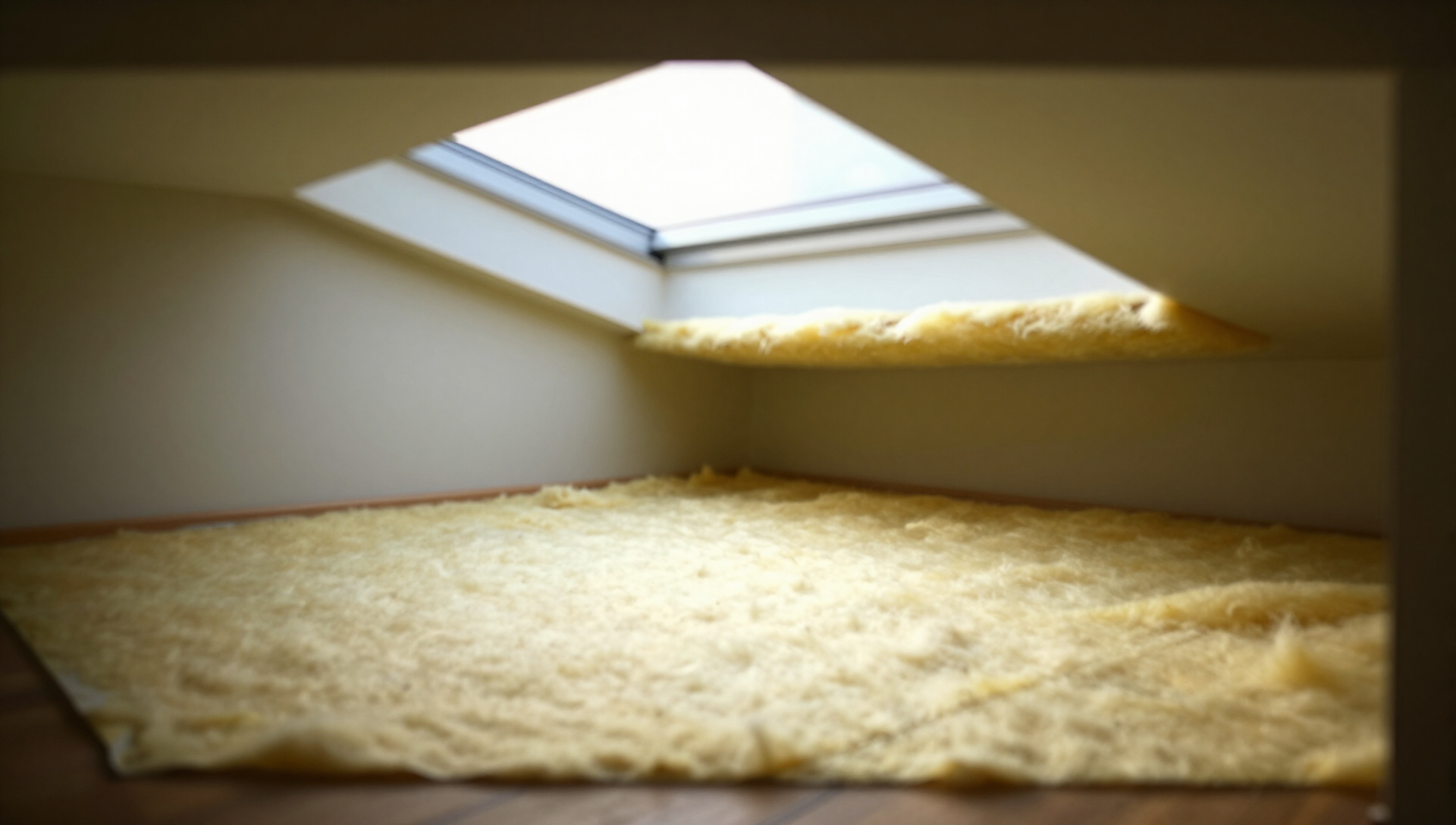
Roof insulation in Vermont targets the primary source of summer heat gain in homes with exposed roof spaces. By installing reflective foil-faced blankets or sarking directly under tiles or metal sheeting, you block radiant heat before it enters the living areas. This is particularly effective for properties with raked or cathedral ceilings where traditional bulk insulation is not an option.
Vermont’s climate, with hot dry summers and cold winters, demands a balanced approach to thermal control. Roof insulation complements ceiling batts by addressing heat transfer at the roofline, which is the most significant entry point for summer heat. This combination ensures year-round comfort and reduces the load on heating and cooling systems.
The installation process for roof insulation in Vermont is straightforward but requires careful planning. Access to the roof space is essential, and the condition of existing materials must be assessed. Reflective products like sisalation and sarking are durable, low-maintenance and provide long-term benefits for energy efficiency and indoor comfort.